
National
21 key Takeaways From President Tinubu’s Democracy Day Speech

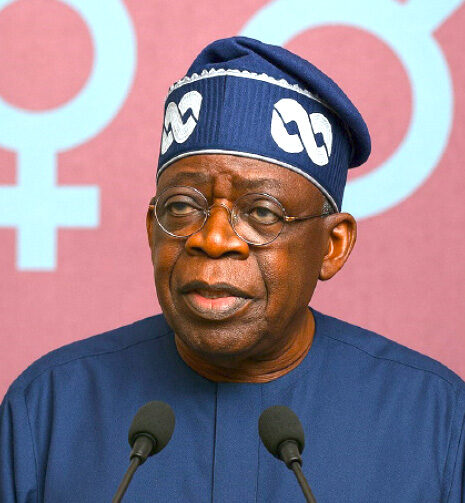
By Aminat Damilola, Assistant Editor
President Bola Ahmed Tinubu has reaffirmed his administration’s commitment to strengthening Nigeria’s democracy, tackling insecurity, and driving economic reforms, as the country marked 27 years of uninterrupted civilian rule.
In his Democracy Day address on June 12, 2026, the President highlighted key achievements in security and economic management while acknowledging ongoing challenges facing the nation.
Tinubu stressed the need for national unity, credible elections, and active citizen participation, urging Nigerians, especially the youth, to remain committed to building the country’s future.
He also paid tribute to the heroes of the June 12 struggle, noting that while they secured political freedom, the current generation must now focus on achieving economic prosperity and improving the quality of life for all citizens.
Here are 20 key takeaways from President Bola Ahmed Tinubu’s Democracy Day speech, capturing the full breadth of his message:
1 . 27 Years of Uninterrupted Democracy
Nigeria has maintained 27 consecutive years of civilian rule, marking a historic democratic milestone.
2 . Democracy Must Be Protected
Tinubu emphasized that democracy, though imperfect, must be defended, nurtured, and strengthened.
3. Call for Peaceful Elections
He urged INEC, security agencies, and political stakeholders to ensure credible elections, especially in Ekiti and Osun.
4. Institutions as Democratic Pillars
The National Assembly, judiciary, media, and civil society were described as essential to sustaining democracy.
5 . Encouragement of Constructive Criticism
Citizens and institutions were encouraged to criticise government policies without losing faith in Nigeria.
6. Youth as Drivers of the Future
Young Nigerians were urged to stay, innovate, work, and vote, rather than abandon the country.
7. Tribute to Security Forces
He commended the military, police, and intelligence services for their ongoing sacrifices.
8. Acknowledgment of Insecurity Challenges
The President referenced recent abductions in Oyo and Borno, noting that security remains a concern.
9. Record Security Spending
The 2026 budget allocates ₦5.41 trillion to defence and security, the highest ever.
10. Expansion of Security Personnel
Over 50,000 new police officers and thousands of military recruits are being added.
11. Measurable Gains Against Terrorism
Terror-related deaths down by 81% since 2015
Over 13,000 terrorists neutralised
Significant disruption of insurgent operations
12. Reintegration of Former Fighters
More than 124,000 insurgents and dependents have surrendered through rehabilitation programmes.
13. Strong Warning to Criminals
Bandits and terrorists were told to surrender or face decisive force, with limited amnesty window.
14. Call for National Unity
Tinubu stressed that crime has no ethnic identity, urging Nigerians to reject division.’
15. Honour for June 12 Heroes
He paid tribute to key figures of the pro-democracy struggle, including
M.K.O. Abiola,
Kudirat Abiola,
Gani Fawehinmi,
as well as other prominent activists such as
Bola Ige,
Alfred Rewane,
Abraham Adesanya,
Anthony Enahoro,
Balarabe Musa,
Beko Ransome-Kuti, and
Frank Kokori, recognising their sacrifices in securing Nigeria’s democracy.
16. Democracy Must Deliver Economic Benefits
He stressed that democracy should be felt in people’s daily lives, not just in elections.
17. Justification of Economic Reforms
Reforms were described as necessary, not optional, to fix strained public finances and restore stability.
18. Improved Economic Indicators
Government reforms have:
Increased federation revenues
Improved fiscal transparency
Boosted investor confidence across sectors
19. Energy and Power Sector Reforms
Key steps include:
Signing the Electricity Act
Expanding off-grid and mini-grid power
Addressing metering deficits and sector debt
20. Vision for Economic Freedom and Prosperity
Tinubu concluded that while June 12 secured political freedom, this generation must achieve economic prosperity, focusing on jobs, growth, and improved living standards.
21. National Awards to Nigerians who suffered persecution
The president also announced national awards Nigerians, who suffered persecution, endured indignities, exile, incarceration, and, at times, solitary confinement, so that democracy came into existence.
Barrister Ayoka Lawani
Tunde Fagbenle
Oladele Alake
Olatunji Bello
Louis Odion
Segun Babatope
Sam Omatseye
Sir Ademola Osinubi
Bola Bolawole
Lade Bonuola
Femi Kusa
Debo Adeniran
Chief Ayo Opadokun
Chief Ralph Obiora
Ose Osayande
Barrister Osa Director
Prof. Sylvester Odion-Akhaine
Dr Arthur Nwankwo (Posthumous)
Dr Osagie Obayuwana
Dr Joe Okei-Odumakin
Barrister Titus Mann
Joe Igbokwe
Richard Akinnola
Ben Charles-Obi (Posthumous)
George Mbah
Dr Niran Malaolu
Major-General Ishola Williams (rtd)
Femi Aborisade
Jenkins Alumona
Gbemiga Ogunleye
Muyiwa Adekeye
Babajide Kolade-Otitoju
Ike Okonta
We also recognise the soldier-democrats of the June 12 struggle:
Major General MA Garba
Brigadier General Lawal Jaafaru Isa
Col Umar Farouk Ahmed;
Col Sambo Dasuki;
Col Lawan Gwadabe;
Brigadier Jonathan Ndam Temlong
Col Musa Shehu;
Major General Chris Eze;
Major General Harris Dzarma;
Col Isa Jibrin;
Maj. General Joseph Oshanupin;
Col Olusegun Oloruntoba, Olugbede of Gbede Kingdom)
Lieutenant Colonel Happy Kefas Bulus
Col J Okai;
Col Emmanuel Ndubueze;
Lt Col Yakubu Muazu
Brigadier Yahaya Abubakar, the Current Etsu Nupe, who is already the holder of the CFR title.


Cabotage Enforcement is My Priority: DG NIMASA

Customs Renovates Ife Girls’ School, Pledges University Scholarships

Tinubu Applauds Coca-Cola’s Planned $1b Investment

2027: Northern Muslim Women Declare Support for President Tinubu

Dakuku Peterside: Weak Institutions Stall Nigeria’s Wealth, Prosperity

Inside Nigeria’s Sea Power: The Rise of NPA as a Maritime Powerhouse

Adebayo Williams At 75: A Missing Honour — By Femi Macaulay

High Hopes as Dangote Launches ₦2.15 Trillion IPO

2027: LP chieftain sues WAEC, UNN, NYSC over Obi’s credentials

Tension in Osun as Masked Gunmen Kill Adeleke’s Ally ‘Emir’ at Peace Meeting

Tribute to a Colossus: The Eternal Legacy of Alhaji Bamanga Tukur (1935–2026)

US Praises Nigeria for Ending 12-Year Maritime Restrictions; Oyetola Credits President Tinubu

Environmental sanitation resumes in Lagos tomorrow

Tribute to a Legal Icon and Master Administrator: Alhaji Yahaya Bukar-Gana

Panel recommends 60-month timeline on State Police inauguration

Customs smashes smuggling ring at Tin-Can port, seizes illicit drugs worth ₦18.9b

Customs nets ₦178b at PTML, Miko resumes office

NIMASA Calls on The Media to Help Drive Blue Economy Growth

NIMASA Partners Malta to Fast-Track Full Automation of Nigerian Ship Registry

History as Customs CG Adeniyi bags First NIJ alumnus fellowship

“A Blueprint for Prosperity: How Amb. (Engr.) Omar Suleiman Will Transform Adamawa State”

Apapa Customs Intercepts ₦12.7b ‘Canadian Loud’, Expired Drugs in Lagos

Misclassified Levies: Senate Clears Customs of ₦62.2bn Under-Remittance Claim
