
News
The Exit of Triple A: The Last of the Titans

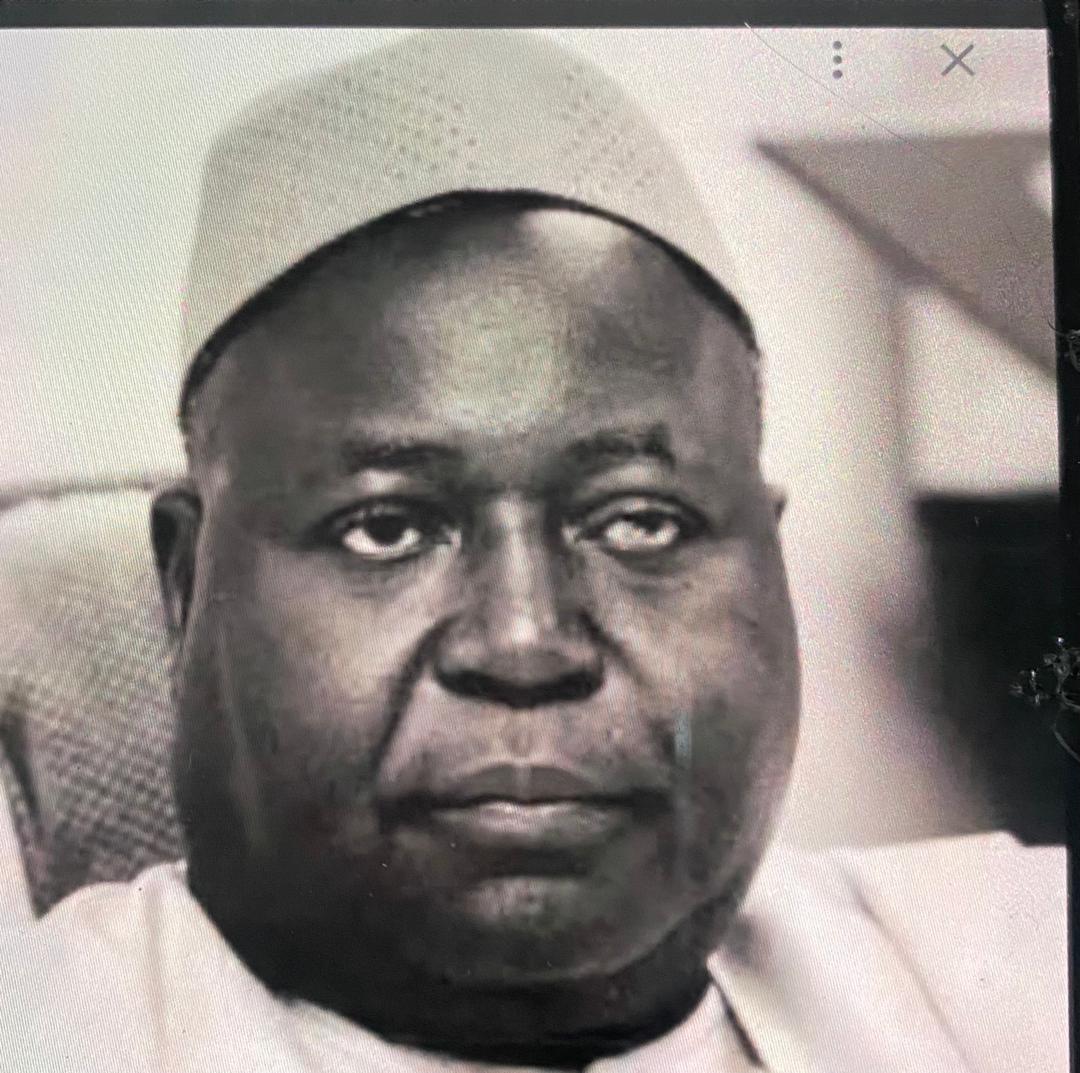
By Ibrahim Nasiru
The transition of the former Minister of Finance, Secretary to the Government of the Federation, and Nigeria’s High Commissioner to the United Kingdom, Alhaji Abubakar Alhaji, marks the definitive end of an unmatched era in the nation’s public administration.
Popularly and fondly known across global financial capitals and local corridors of power as “Triple A,” his passing in Abuja represents the bowing out of a titanic figure who epitomized the peak of administrative brilliance, aristocratic grace, and unyielding statecraft.
As a direct descendant of Shehu Usmanu Danfodiyo, Triple A did not simply inherit history—he actively engineered it across five decades of meritorious public service, serving as the ultimate custodian of institutional memory in a rapidly changing federation.
Beginning his career in 1964 as an Assistant Secretary in the Federal Ministry of Finance, Alhaji Abubakar Alhaji systematically rose through the ranks to become the definitive architect of Nigeria’s fiscal and economic policies.
Long before he was appointed a minister under the military administration of General Ibrahim Babangida, he had mastered the complex levers of the state machinery as a formidable Permanent Secretary. He was the economic general who navigated Nigeria’s complex relations with external creditors, leading high-stakes negotiations for the Lome II Agreement and defining the terms of national survival during turbulent fiscal seasons.
His unmatched grasp of budgetary mechanics, industrial policy, and international trade turned him into an institutional powerhouse whose authority was respected by military dictators and civilian politicians alike.
When he was turbaned as the Sardaunan Sokoto in 1990, succeeding the legendary late Premier of Northern Nigeria, Sir Ahmadu Bello, Triple A officially stepped into a role that bridged the deep traditions of the Sokoto Caliphate with the realities of modern governance.
He wore the revered mantle with immense dignity, acting as a stabilizing anchor who leveraged his vast elite networks to champion regional stability and national cohesion. His subsequent deployment to London as Nigeria’s High Commissioner to the United Kingdom in 1992 further cemented his status as a premier international diplomat.
In the court of St. James’s, Triple A deployed his sophisticated charm, profound intellect, and deep understanding of global geopolitics to navigate complex bilateral tensions, ensuring Nigeria’s voice remained resonant on the world stage.
Ultimately, the story of Alhaji Abubakar Alhaji is the story of a thoroughbred professional who believed in the sacred finality of public duty. He belonged to a golden generation of technocrats who viewed the civil service not as an avenue for casual wealth accumulation, but as a high altar of national development.
With his earthly remains now laid to rest according to Islamic rites, Nigeria does not just mourn a retired diplomat or a former minister; the nation lowers its banners for a historic bridge-builder, an intellectual colossus, and a peerless statesman.
The grand architecture of his legacy remains firmly embedded in the institutions he built and the standards of excellence he set. Triple A has returned to his Maker, leaving behind a vast vacuum that will be incredibly difficult to fill, but his name remains permanently etched in gold within the history of the Federal Republic.
Chief Ibrahim Nasiru
A Public Affairs Analyst writes from Abuja, Nigeria l.
NOTE:
Views expressed by contributors are strictly personal and not of the Spynews


Cabotage Enforcement is My Priority: DG NIMASA

Customs Renovates Ife Girls’ School, Pledges University Scholarships

Tinubu Applauds Coca-Cola’s Planned $1b Investment

2027: Northern Muslim Women Declare Support for President Tinubu

Dakuku Peterside: Weak Institutions Stall Nigeria’s Wealth, Prosperity

Inside Nigeria’s Sea Power: The Rise of NPA as a Maritime Powerhouse

Adebayo Williams At 75: A Missing Honour — By Femi Macaulay

High Hopes as Dangote Launches ₦2.15 Trillion IPO

2027: LP chieftain sues WAEC, UNN, NYSC over Obi’s credentials

Tension in Osun as Masked Gunmen Kill Adeleke’s Ally ‘Emir’ at Peace Meeting

Tribute to a Colossus: The Eternal Legacy of Alhaji Bamanga Tukur (1935–2026)

US Praises Nigeria for Ending 12-Year Maritime Restrictions; Oyetola Credits President Tinubu

Environmental sanitation resumes in Lagos tomorrow

Tribute to a Legal Icon and Master Administrator: Alhaji Yahaya Bukar-Gana

Panel recommends 60-month timeline on State Police inauguration

Customs smashes smuggling ring at Tin-Can port, seizes illicit drugs worth ₦18.9b

Customs nets ₦178b at PTML, Miko resumes office

NIMASA Calls on The Media to Help Drive Blue Economy Growth

NIMASA Partners Malta to Fast-Track Full Automation of Nigerian Ship Registry

History as Customs CG Adeniyi bags First NIJ alumnus fellowship

“A Blueprint for Prosperity: How Amb. (Engr.) Omar Suleiman Will Transform Adamawa State”

Apapa Customs Intercepts ₦12.7b ‘Canadian Loud’, Expired Drugs in Lagos

Misclassified Levies: Senate Clears Customs of ₦62.2bn Under-Remittance Claim
