
Politics
JUST IN: Ex-CBN Deputy Governor Kingsley Moghalu Rejects Atiku’s Appointment

By Saheed Olatunji, Reporter
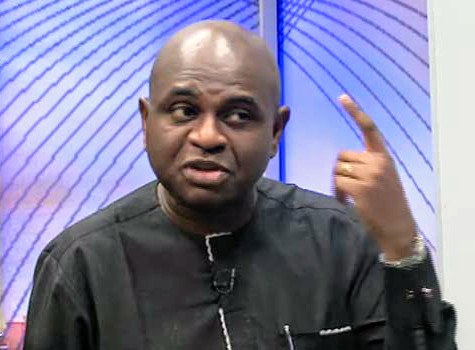
Kingsley Moghalu, former Deputy Governor of the Central Bank of Nigeria, has rejected his inclusion in Atiku Abubakar’s 2027 presidential campaign policy team, stating he was never consulted.
The rejection followed the African Democratic Congress (ADC) unveiling its campaign structure, which had included Moghalu in a high-profile policy team tasked with driving economic and national development strategies for the upcoming general elections.
Addressing the surprise announcement on social media, Moghalu did not mince words: he completely distanced himself from the campaign, stating his name was used without his knowledge or consent.
”For the record: I was not consulted and did not give my consent to my name being published as a member of the ADC candidate’s policy team. I am NOT, in fact, a member of Atiku’s policy team, even unofficially or in any advisory capacity.” — Prof. Kingsley Moghalu
The sudden announcement surprised political analysts, as it placed heavyweights like former Kaduna State Governor Nasir El-Rufai and veteran banker Mohammed Hayatu-Deen into a single campaign team. Yet, Moghalu’s rapid public denial exposes a major communication breakdown or premature planning by the campaign organizers.
Beyond refuting the specific appointment, Moghalu reiterated his broader stance on Nigerian politics, emphasising his current role as President of IGET Africa, a non-partisan public policy think tank and executive education academy.
He reminded the public that he officially exited partisan politics following the 2023 general elections to maintain a strictly non-partisan posture
Private Sector Leadership: He also leads Sogato Strategies, a geopolitical risk and regulatory strategy advisory firm.
The Philosophy of Statesmanship: Emphasizing that national loyalty does not require political card-carrying, he noted, “I remain committed to my country, Nigeria and its progress, but such commitment does not have to entail ANY partisan alignment. I have adopted the path of statesmanship, not partisanship.”
Bringing a respected technocrat and economist like Moghalu on board would have given Atiku Abubakar’s camp significant intellectual credibility.
His expertise could have strengthened their proposals on inflation, structural economic reforms, and security. Instead, this high-profile rejection is an early embarrassment for the campaign.
It highlights the challenges of building large coalitions and policy teams without getting prior approval from independent figures. As political alliances shift ahead of 2027, Moghalu’s stance makes one thing clear: his expertise and focus on Nigeria’s future will remain strictly independent of party politics.


Hamzat Unveils 100-Point ‘Lagos Promise’ Manifesto, Pledges Better Quality of Life for Residents

President Tinubu Arrives in Jeddah for Umrah and National Prayers

Nigeria Customs, US Team Up to Fast-Track Trade

Naira Conversion Eroded $350m CVFF Value, Omatseye Reveals

Enugu Partners with Humatrix in Landmark BPO Deal to Create 100,000 Jobs

Boosting Maritime: Fed Govt, Banks Urged to Tackle Shipping Funding Crisis

NPA to Audit Inland Dry Ports, Partners With ICNL to Boost Hinterland Trade

President Tinubu Leaves for Mecca Tomorrow; Expected Back Next Week

Dockworkers may Shut Down Ports next week Over Terminal Operator Delays

Fed Govt seeks private sector funding blueprint as 30 state assemblies approve State Police

Ahead of 2027 Evaluation, Customs Vows Zero Tolerance for Money Laundering

JUSTIN: Panel Reveals 37 Miners Suffocated in NSCDC Custody

Man Arrested in Adamawa While Trying to Sell His Niece for ₦7m

Customs smashes smuggling ring at Tin-Can port, seizes illicit drugs worth ₦18.9b

Environmental sanitation resumes in Lagos tomorrow

Apapa Customs Smashes Smuggling Ring, Seizes Illicit Drugs Worth ₦26.57b

IN 3 YEARS: Oyetola Reshapes Nigeria’s Blue Economy, Revenues Surge to ₦1.83tr

Customs CG Adeniyi Displays Narcotics, Fake Drugs Worth ₦53.3b at Apapa

SINGLE-DAY RECORD: Apapa Customs Generates ₦28b in 24 Hours

High Hopes as Dangote Launches ₦2.15 Trillion IPO

Oyo/Osun Customs Intercepts Rifles, Contraband Worth ₦3.2b in Three Months

Seme Customs Seizes 3,300 Explosive Cartridges, Generates ₦19.84b in 7 Months

Customs Zone ‘A’ Speeds Up Cargo Clearance to Hit ₦8trn Revenue Goal
