
Politics
Lafia/Obi Constituency: APC Machine Faces the ‘Solar Wave’

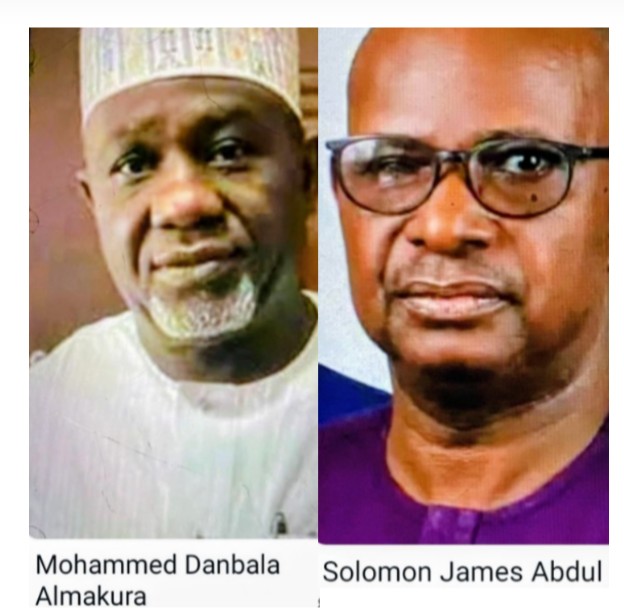
By Ibrahim Nasiru
Official political campaigning starts on September 9th. While most people are watching the big races for governor and senate in Nasarawa, a fierce battle is already quietly happening behind the scenes for local grassroots positions.
In the Lafia/Obi area, the race for the House of Representatives has become a major issue. It is a direct contest between the powerful, long-standing ruling party and a fast-growing new political group that is threatening to completely change how local politics works.
On one side of the ring stands Hon. Mohammed “Danbala” Al-Makura, flying the flag of the All Progressives Congress (APC). Securing the ruling party’s ticket through a strategic consensus process, Danbala carries the immense weight of the APC establishment behind him.
His campaign relies on a vast network of traditional structures, elite backroom endorsements, and the state government’s achievements and machinery. For the APC, holding Lafia/Obi is non-negotiable; it is the political nerve center of the state.
However, the ruling party’s economic track record must be defended by Danbala, even while a sharp pinch from inflation and tough economic realities is being felt by ordinary people in Lafia and Obi.
Looking to challenge the APC’s monopoly is Hon. Solomon James Abdul, popularly known by his grassroots moniker, “Mai-Solar,” running under the African Democratic Congress (ADC).
Known for his extensive work in bringing solar energy and community development to rural areas, Mai-Solar has rapidly turned the opposition party into a formidable protest platform. His candidacy is tapping directly into the frustrations of youths, traders, and local farmers who feel neglected by mainstream politicians.
By presenting himself as a self-made, practical problem solver rather than a career politician, Mai-Solar is successfully positioning his party as the alternative vehicle for the constituency.
This face-off is significant because it mirrors the political shift seems to be happening in the State.
The era where a candidate could simply ride on a big party logo to automatic victory seems to be fading. Some voters in communities across Lafia and Obi are starting to demand direct accountability and individual capacity.
While the ruling party boasts of their achievements, traditional support and financial muscle, the opposition is relying on an organic, decentralised network of ordinary citizens who are seems to be eager for a change.
Ultimately, the destiny of the Lafia/Obi seat will not be decided by elite promises in government houses alone. It will belong to whoever can convince majority of the voters in Lafia and Obi that they have a concrete plan to improve local security, create jobs, and bring real development.
The battle lines are formally drawn, the heavyweights are locked in, and an unexpected political earthquake may well be on the horizon.
Chief Ibrahim Nasiru
A Public Affairs Analyst writes from
Abuja, Nigeria.
NOTE:
Views expressed by contributors are strictly personal and not of the Spynews.


Cabotage Enforcement is My Priority: DG NIMASA

Customs Renovates Ife Girls’ School, Pledges University Scholarships

Tinubu Applauds Coca-Cola’s Planned $1b Investment

2027: Northern Muslim Women Declare Support for President Tinubu

Dakuku Peterside: Weak Institutions Stall Nigeria’s Wealth, Prosperity

Inside Nigeria’s Sea Power: The Rise of NPA as a Maritime Powerhouse

Adebayo Williams At 75: A Missing Honour — By Femi Macaulay

High Hopes as Dangote Launches ₦2.15 Trillion IPO

2027: LP chieftain sues WAEC, UNN, NYSC over Obi’s credentials

Tension in Osun as Masked Gunmen Kill Adeleke’s Ally ‘Emir’ at Peace Meeting

Tribute to a Colossus: The Eternal Legacy of Alhaji Bamanga Tukur (1935–2026)

US Praises Nigeria for Ending 12-Year Maritime Restrictions; Oyetola Credits President Tinubu

Environmental sanitation resumes in Lagos tomorrow

Tribute to a Legal Icon and Master Administrator: Alhaji Yahaya Bukar-Gana

Panel recommends 60-month timeline on State Police inauguration

Customs smashes smuggling ring at Tin-Can port, seizes illicit drugs worth ₦18.9b

Customs nets ₦178b at PTML, Miko resumes office

NIMASA Calls on The Media to Help Drive Blue Economy Growth

NIMASA Partners Malta to Fast-Track Full Automation of Nigerian Ship Registry

History as Customs CG Adeniyi bags First NIJ alumnus fellowship

“A Blueprint for Prosperity: How Amb. (Engr.) Omar Suleiman Will Transform Adamawa State”

Apapa Customs Intercepts ₦12.7b ‘Canadian Loud’, Expired Drugs in Lagos

Misclassified Levies: Senate Clears Customs of ₦62.2bn Under-Remittance Claim
