
Customs
Nigeria Customs, Afreximbank Forge Alliance to Unlock Intra-African Trade

By Aminat Damilola, Assistan Editor
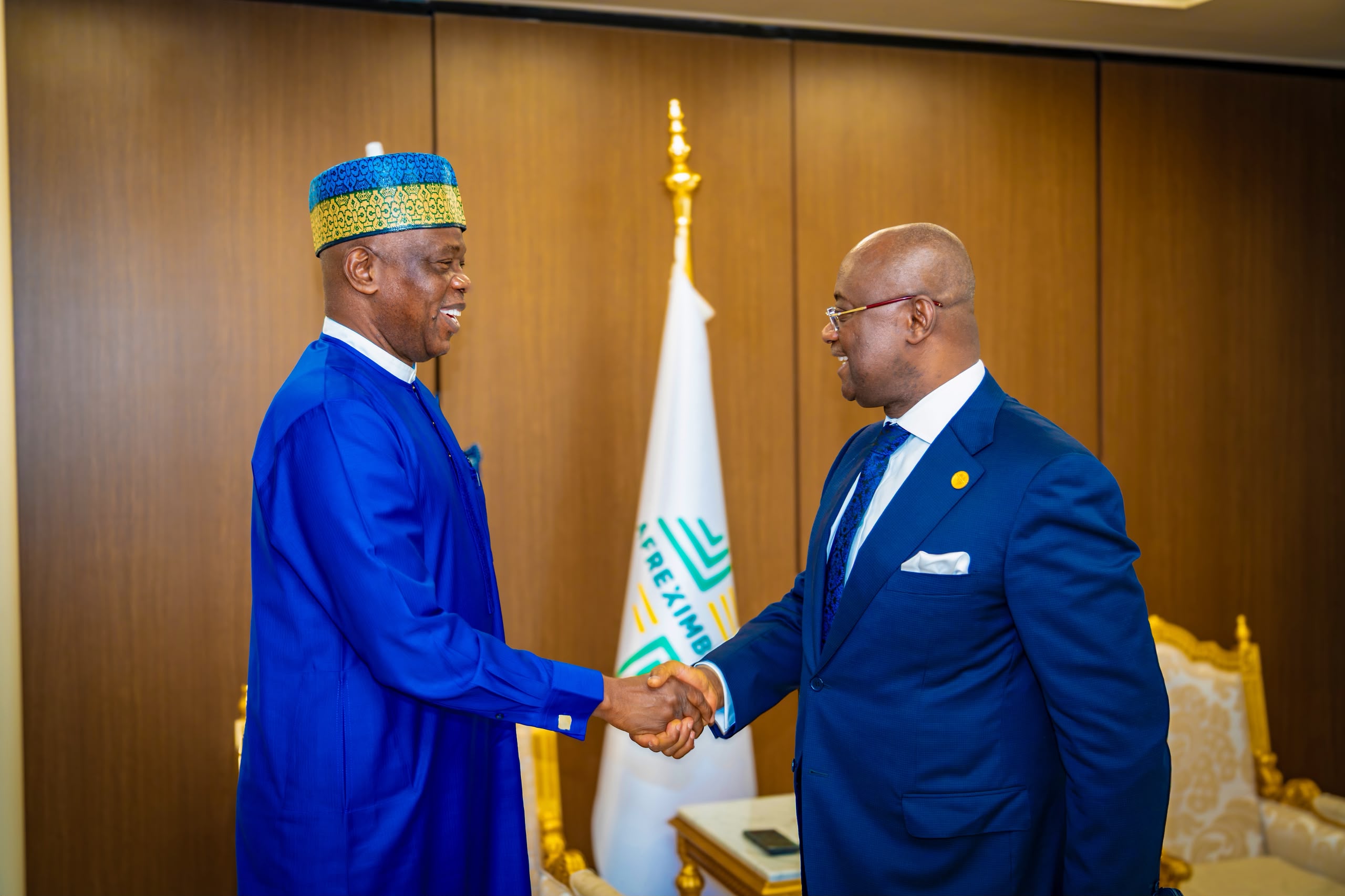
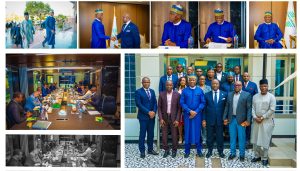
On 12 October 2026, the Nigeria Customs Service (NCS) met with Afreximbank in Cairo, Egypt, to advance a regional border-modernisation plan. Working alongside the customs agencies of Benin and Cameroon, the talks follow a joint study of Zimbabwe’s Beitbridge Border Post and technical reviews of the Mfum–Ekok and Sèmè–Kraké corridors to speed up trade under AfCFTA.
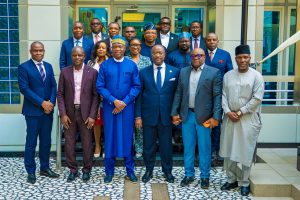
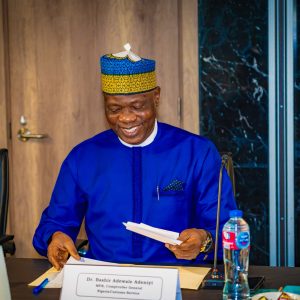
The engagement, led by the Comptroller-General of Customs, Bashir Adewale Adeniyi, MFR, brought together representatives of the three Customs administrations, Afreximbank and technical partners to review findings from the assessment missions, identify priority interventions and explore practical pathways towards an integrated regional border-modernisation programme.
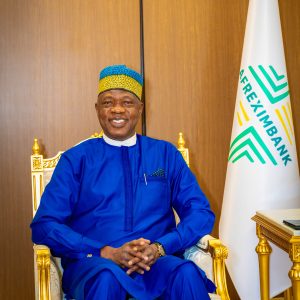
Discussions focused on combining improvements in digital infrastructure, harmonised Customs procedures, secure data exchange and institutional capacity development with investments in cargo scanners, weighbridges, access roads, reliable electricity, connectivity, traffic management and modern border-processing facilities.
The meeting also considered Afreximbank’s potential participation in the next Customs Partnership for African Cooperation in Trade (C-PACT) and progress towards regional and continental transit-guarantee arrangements.
According to Customs National PRO Abdullahi Maiwada, a key part of the engagement was the Customs Declaration Exchange System (CDES). This system enables secure data sharing between Nigeria’s B’Odogwu platform, Benin’s Customs Webb, and Cameroon’s CAMCIS. By using a shared data model, export data from one country automatically prepares import manifests for the receiver, cutting down on duplication and making cross-border trade more predictable.
The receiving Customs administration will remain responsible for validating the information, applying national requirements, conducting risk assessments, and authorising clearance. Although development and technical testing have been undertaken, further country-specific configuration, application programming interface integration, security assurance and pilot acceptance remain necessary before deployment.
The discussions drew extensively on findings from the July 2026 Beitbridge benchmarking mission and subsequent assessments of the two priority corridors. The Beitbridge experience demonstrated the importance of treating a modern border as an integrated operational ecosystem encompassing traffic segmentation, pre-arrival processing, risk-based controls, cargo scanning, transit monitoring, electronic payments, information technology command centres, utilities, maintenance and effective governance.
At Mfum–Ekok, the assessment identified gaps in dependable power supply, connectivity, information technology equipment, cybersecurity, technical support, scanner commissioning and coordinated single-stop processing. At Sèmè–Kraké, key challenges included incomplete joint procedures and live data exchange, non-functional cargo-scanning and weighing facilities, unreliable electricity, traffic congestion, inconsistent operating hours and unresolved responsibilities for maintaining shared infrastructure. These findings underscore the need to address immediate operational deficiencies alongside a properly assessed and costed long-term modernisation programme.
To advance the initiative, Afreximbank outlined a proposed two-stage approach beginning with independent engineering assessments and investment-cost studies at the two border posts, followed by the development of separate bankable project packages for the Nigeria–Benin and Nigeria–Cameroon corridors.
The proposed project-preparation process would cover transaction advisory services, legal due diligence, financial modelling and the identification of appropriate implementation and financing arrangements.
The Bank also outlined the potential use of its Project Preparation Facility, while technical partners, TMP and Bergmans Security Consultants and Supplies Limited, expressed willingness in principle to consider self-financing the preparatory work. Although no final project cost, lending commitment, borrower designation, financing arrangement or implementation contract was established, participants agreed on the importance of direct site inspections, designated technical focal points, a clear one-, three- and six-month implementation roadmap and a dated action matrix to guide subsequent engagement.
The Nigeria Customs Service, under the leadership of CGC Bashir Adewale Adeniyi MFR and his management team, reaffirms the commitment to strengthening regional cooperation, modernising border operations and facilitating legitimate trade in line with the objectives of AfCFTA.
The Service will continue to engage with its counterparts in Benin and Cameroon, Afreximbank and relevant technical partners to advance the required assessments, clarify project-preparation arrangements and develop practical, sustainable solutions for the two border corridors to promote more efficient cross-border procedures, improve cargo visibility, strengthen coordinated border management and support the development of an integrated African trading environment.


Hamzat Unveils 100-Point ‘Lagos Promise’ Manifesto, Pledges Better Quality of Life for Residents

President Tinubu Arrives in Jeddah for Umrah and National Prayers

Nigeria Customs, US Team Up to Fast-Track Trade

Naira Conversion Eroded $350m CVFF Value, Omatseye Reveals

Enugu Partners with Humatrix in Landmark BPO Deal to Create 100,000 Jobs

Boosting Maritime: Fed Govt, Banks Urged to Tackle Shipping Funding Crisis

NPA to Audit Inland Dry Ports, Partners With ICNL to Boost Hinterland Trade

President Tinubu Leaves for Mecca Tomorrow; Expected Back Next Week

Dockworkers may Shut Down Ports next week Over Terminal Operator Delays

Fed Govt seeks private sector funding blueprint as 30 state assemblies approve State Police

Ahead of 2027 Evaluation, Customs Vows Zero Tolerance for Money Laundering

JUSTIN: Panel Reveals 37 Miners Suffocated in NSCDC Custody

Man Arrested in Adamawa While Trying to Sell His Niece for ₦7m

Customs smashes smuggling ring at Tin-Can port, seizes illicit drugs worth ₦18.9b

Environmental sanitation resumes in Lagos tomorrow

Apapa Customs Smashes Smuggling Ring, Seizes Illicit Drugs Worth ₦26.57b

IN 3 YEARS: Oyetola Reshapes Nigeria’s Blue Economy, Revenues Surge to ₦1.83tr

Customs CG Adeniyi Displays Narcotics, Fake Drugs Worth ₦53.3b at Apapa

SINGLE-DAY RECORD: Apapa Customs Generates ₦28b in 24 Hours

High Hopes as Dangote Launches ₦2.15 Trillion IPO

Oyo/Osun Customs Intercepts Rifles, Contraband Worth ₦3.2b in Three Months

Seme Customs Seizes 3,300 Explosive Cartridges, Generates ₦19.84b in 7 Months

Customs Zone ‘A’ Speeds Up Cargo Clearance to Hit ₦8trn Revenue Goal
