
Metro
The Bwari Blueprint: How Waste-to-Wealth is Redefining Grassroots Democracy in the FCT

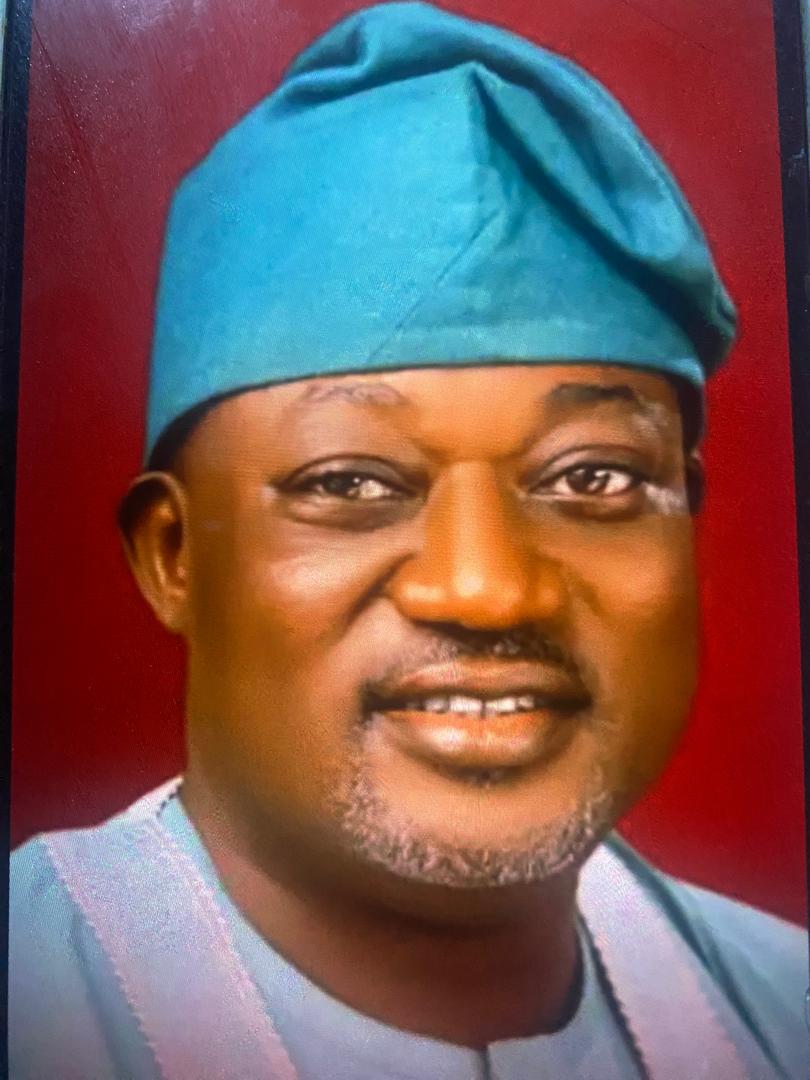
By Ibrahim Nasiru
In the theater of Nigerian local government administration, the typical politician measures performance by superficial optics—noisy commissioning of minor projects, superficial paint jobs, and temporary handouts that vanish within forty-eight hours.
But true leadership is an exercise in systemic preservation; it is about looking at the silent, structural crises affecting the common man and deploying sustainable solutions.
Right now, in the Bwari Area Council, we are witnessing a quiet, historic revolution that challenges the status quo of local administration in the Federal Capital Territory.
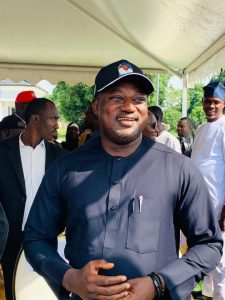
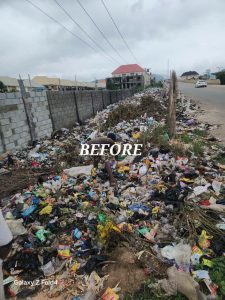
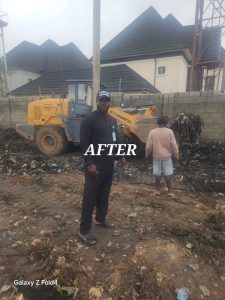
Under the decisive leadership of its Executive Chairman, Joshua Ishaku Musa, the Bwari Area Council has launched an aggressive, comprehensive offensive against refuse dumps across every ward of the council.
For those who view local governance through a narrow lens, clearing heaps of garbage might seem like routine sanitation.
But those who understand public health and economics know that this is a direct, calculated investment in the survival and prosperity of our people.
Let us look at the hard medical and social field realities. Accumulated refuse is not just an eyesore; it is a breeding ground for communicable diseases, cholera outbreaks, and environmental degradation that disproportionately impacts vulnerable families.
By taking the battle straight to these illegal dumpsites, Musa is aggressively delivering the most critical dividend of democracy: a safe, healthy environment that protects the lives of our children and elderly. This is preventive governance at its finest—blocking epidemics before they ever hit our healthcare facilities.
However, the real masterstroke of this Bwari initiative lies in its transition from sanitation to industrial sustainability. The Chairman isn’t just clearing waste to dump it elsewhere; the administration is actively implementing a structural “Waste-to-Wealth” framework.
In an era where local councils complain of dwindling allocations, Bwari is proving that the solutions to economic self-sufficiency are buried right under our feet.
By turning municipal waste into valuable economic assets, organic fertilizers, and recyclable raw materials, this administration is creating a circular economy that generates green jobs for our youth, supports local agriculture, and builds a sustainable internal revenue base.
This is the exact level of technocratic competence that separates structural builders from everyday politicians. The Bwari Area Council has effectively set a new benchmark for municipal governance in Nigeria.
It is no longer enough for an Area Council to act as a passive distributor of monthly federal allocations; councils must become self-sustaining hubs of innovation, production, and environmental safety.
The message from Bwari to the FCT Administration and the federal government is loud, clear, and undeniable: this is the council to beat.
The Chairman has proven that with political will, strategic vision, and structural execution, a local government can be both the protector of public health and the architect of a green industrial dawn.
True dividends of democracy are not given on a campaign podium. They are won on the clean, safe, and wealthy streets of Bwari.
Chief Ibrahim Nasiru
A Public Affairs Analyst writes from Abuja, Nigeria.
NOTE:
Views expressed by contributors are strictly personal and not of the Spynews.

Continue Reading

Maritime6 hours ago
Cabotage Enforcement is My Priority: DG NIMASA

Education9 hours ago
Customs Renovates Ife Girls’ School, Pledges University Scholarships

Business15 hours ago
Tinubu Applauds Coca-Cola’s Planned $1b Investment

Politics15 hours ago
2027: Northern Muslim Women Declare Support for President Tinubu

News1 day ago
Dakuku Peterside: Weak Institutions Stall Nigeria’s Wealth, Prosperity

Maritime2 days ago
Inside Nigeria’s Sea Power: The Rise of NPA as a Maritime Powerhouse

Education2 days ago
Adebayo Williams At 75: A Missing Honour — By Femi Macaulay

Oil & Gas2 days ago
High Hopes as Dangote Launches ₦2.15 Trillion IPO

News2 days ago
2027: LP chieftain sues WAEC, UNN, NYSC over Obi’s credentials

Crime2 days ago
Tension in Osun as Masked Gunmen Kill Adeleke’s Ally ‘Emir’ at Peace Meeting

National2 days ago
Tribute to a Colossus: The Eternal Legacy of Alhaji Bamanga Tukur (1935–2026)

Maritime Safety2 days ago
US Praises Nigeria for Ending 12-Year Maritime Restrictions; Oyetola Credits President Tinubu

News5 months ago
Environmental sanitation resumes in Lagos tomorrow

General News1 week ago
Tribute to a Legal Icon and Master Administrator: Alhaji Yahaya Bukar-Gana

General News5 months ago
Panel recommends 60-month timeline on State Police inauguration

Customs5 months ago
Customs smashes smuggling ring at Tin-Can port, seizes illicit drugs worth ₦18.9b

Customs4 months ago
Customs nets ₦178b at PTML, Miko resumes office

Maritime4 months ago
NIMASA Calls on The Media to Help Drive Blue Economy Growth

Maritime3 months ago
NIMASA Partners Malta to Fast-Track Full Automation of Nigerian Ship Registry

Customs5 months ago
History as Customs CG Adeniyi bags First NIJ alumnus fellowship

Politics3 months ago
“A Blueprint for Prosperity: How Amb. (Engr.) Omar Suleiman Will Transform Adamawa State”

Customs3 months ago
Apapa Customs Intercepts ₦12.7b ‘Canadian Loud’, Expired Drugs in Lagos

Customs3 months ago
Misclassified Levies: Senate Clears Customs of ₦62.2bn Under-Remittance Claim

Customs3 months ago