
Politics
The Engine and the Architect: Why Nigeria’s Political Parties Must Outgrow Personal Ambition

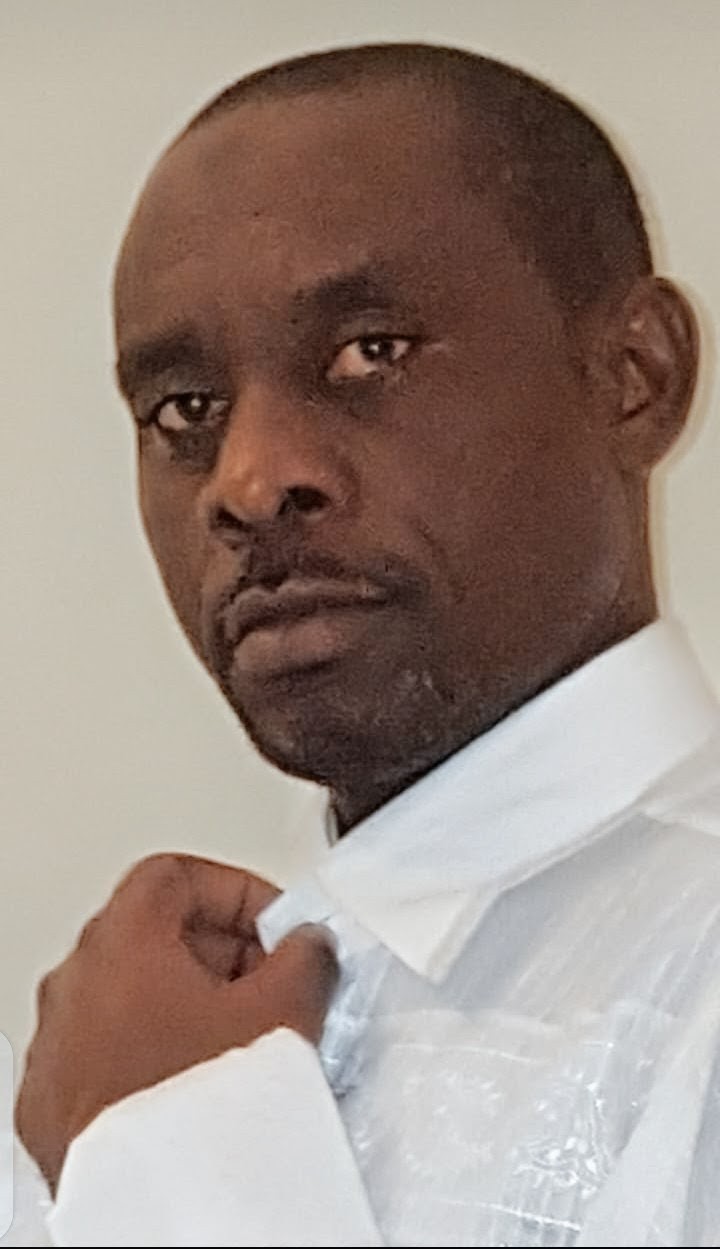
By Ibrahim Nasiru
“A vehicle can take you to the palace, but only an institution can sustain the kingdom.”
This maxim has never been more relevant than it is today, as the newly formed Nigeria Democratic Congress (NDC) prepares for its inaugural National Convention in Abuja this Saturday.
The air is thick with the familiar scent of political “re-alignment,” and in just 48 hours, over 10 million Nigerians have reportedly registered for the party, spurred by the arrival of Peter Obi and Rabiu Kwankwaso.
While these numbers are staggering, they raise an old, haunting question: Are we building a lasting democratic institution, or just another faster vehicle to reach the Presidential Villa?
In the current Nigerian context, political parties are increasingly viewed as Special Purpose Vehicles (SPVs), disposable structures assembled to navigate a single election cycle.
Public perception, fueled by biting economic hardship and insecurity, has shifted toward a “survival of the fittest” mindset.
Voters are no longer looking for deep rooted ideologies; they are looking for a “strong engine” that can simply pull them out of the current situation.
This desperation makes the party itself secondary, a reality reflected in the “gale of defections” currently sweeping the National Assembly. When 17 House members dump their party for the NDC in a single day, it proves that when parties are merely vehicles, loyalty lasts only as long as there is fuel in the tank.
A true political institution should be an academy for leadership, possessing a permanent philosophy and internal mentorship pipelines that survive even when its biggest stars leave the stage.
Unfortunately, the Nigerian experience since 1999 has been one of stalled development for parties as institutions. Instead of homes for shared belief, they have become brands for ambition, where politicians move seamlessly across party lines without a change in rhetoric or policy.
This poverty of ideology is the primary reason why these “merger-vehicles” often struggle to govern effectively once the race is won; they are built for the sprint of the campaign, not the marathon of governance.
The NDC’s May 9th Convention is therefore a pivotal litmus test. If the party simply ratifies “anointed” leaders to satisfy the ambitions of its new heavyweights, it remains a vehicle.
To become an institution, it must enforce genuine internal democracy, define what membership means beyond being an “opposition voter,” and prove it can function as a cohesive unit regardless of the 2027 outcome.
Nigerians are rightfully desperate for change, but a bigger, faster vehicle can only take us so far if the destination remains the same.
Parties must transcend individual goals and move beyond selfish, narrow, or simply motivated objectives to achieve a higher purpose for the majority in our country.
If our political parties do not transition into institutions of national progress, we will continue to repeat the cycle of merger, win, and collapse.
The NDC has the numbers; now, it must prove it has the soul.
Chief Ibrahim Nasiru
A Public Affairs Analyst writes from Abuja, Nigeria.
NOTE: Views expressed by contributors are strictly personal and not of the Spynews
NOTE: Views expressed by contributors are strictly personal and not of the Spynews


Cabotage Enforcement is My Priority: DG NIMASA

Customs Renovates Ife Girls’ School, Pledges University Scholarships

Tinubu Applauds Coca-Cola’s Planned $1b Investment

2027: Northern Muslim Women Declare Support for President Tinubu

Dakuku Peterside: Weak Institutions Stall Nigeria’s Wealth, Prosperity

Inside Nigeria’s Sea Power: The Rise of NPA as a Maritime Powerhouse

Adebayo Williams At 75: A Missing Honour — By Femi Macaulay

High Hopes as Dangote Launches ₦2.15 Trillion IPO

2027: LP chieftain sues WAEC, UNN, NYSC over Obi’s credentials

Tension in Osun as Masked Gunmen Kill Adeleke’s Ally ‘Emir’ at Peace Meeting

Tribute to a Colossus: The Eternal Legacy of Alhaji Bamanga Tukur (1935–2026)

US Praises Nigeria for Ending 12-Year Maritime Restrictions; Oyetola Credits President Tinubu

Environmental sanitation resumes in Lagos tomorrow

Tribute to a Legal Icon and Master Administrator: Alhaji Yahaya Bukar-Gana

Panel recommends 60-month timeline on State Police inauguration

Customs smashes smuggling ring at Tin-Can port, seizes illicit drugs worth ₦18.9b

Customs nets ₦178b at PTML, Miko resumes office

NIMASA Calls on The Media to Help Drive Blue Economy Growth

NIMASA Partners Malta to Fast-Track Full Automation of Nigerian Ship Registry

History as Customs CG Adeniyi bags First NIJ alumnus fellowship

“A Blueprint for Prosperity: How Amb. (Engr.) Omar Suleiman Will Transform Adamawa State”

Apapa Customs Intercepts ₦12.7b ‘Canadian Loud’, Expired Drugs in Lagos

Misclassified Levies: Senate Clears Customs of ₦62.2bn Under-Remittance Claim
