
Maritime
Tinubu Signs Nigerian Port Economic Regulatory Agency Act, 2026 -Akutta

By Temitope Adebiyi, Correspondent
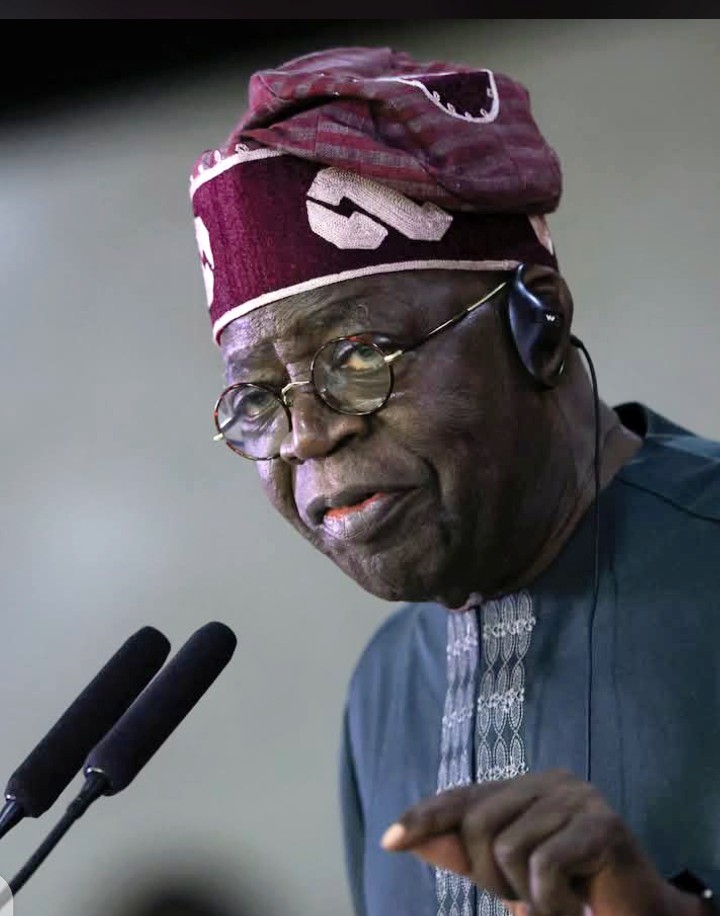
President Bola Ahmed Tinubu has signed the Nigerian Ports Economic Regulatory Agency (NPERA) Bill, 2026, establishing a dedicated economic regulator to transform the nation’s port sector.
Dr. Pius Akutah, Executive Secretary of the Nigerian Shippers’ Council (NSC), announced this on Facebook, thanking the President for signing the bill into law.
“Nigerian Port Economic Regulatory Agency Act, 2026. Thank you Mr. President for making it a reality,” Akutah stated in the brief post.
This breakthrough marks a major turning point in Nigeria’s long push to regulate its port economy by law.
Years after Nigeria’s ports were concessioned, successive National Assemblies have finally advanced the NPERA legislation to create a dedicated economic watchdog. This statutory framework will replace the Nigerian Shippers’ Council, which the Federal Government appointed as a temporary regulator back in 2014
The absence of a dedicated Act had, however, left the Council performing its economic regulatory functions largely on the strength of government policy and regulations rather than a comprehensive statutory framework.
The proposed legislation seeks to give the port economic regulator stronger legal backing to oversee economic activities in the sector, including issues relating to tariffs, rates, charges, competition, licensing of port service providers and the resolution of commercial disputes.
Akutah had previously described the proposed NPERA regime as a transition towards a more structured and efficient port regulatory system, saying the legislation would establish a strong and independent regulatory framework with enforceable legal powers.
The journey to the new law has not been without controversy. Earlier versions of the legislation attracted concerns from stakeholders and some maritime agencies over possible duplication of functions, particularly with the Nigerian Ports Authority (NPA) and the Nigerian Maritime Administration and Safety Agency (NIMASA). Stakeholders had called for clearer delineation of responsibilities to prevent regulatory conflicts and overlapping mandates.
The Bill was initially passed by the National Assembly and transmitted to the Presidency, but President Tinubu withheld assent after concerns were raised over aspects of the legislation. The National Assembly subsequently revisited the Bill, corrected identified issues and passed an amended version in April 2026.
The Senate’s fresh passage followed the rescission of its earlier decision on the legislation after a review identified legal and procedural issues requiring correction. The amended Bill subsequently moved through the legislative process again, with stakeholders expressing optimism that its enactment would provide greater certainty for economic regulation at the ports.
With the President’s reported assent, the long-awaited transition from the existing interim regulatory arrangement to a statutory port economic regulatory regime now moves closer to implementation.
The development is expected to be closely watched by terminal operators, shipping companies, freight forwarders, importers, exporters and other port stakeholders, particularly over how the new agency will handle tariffs, charges, competition and disputes within the Nigerian port system.
Akutah had also said that the emergence of NPERA would ultimately create a more solid regulatory foundation for the port sector, with the expectation that the new regime would contribute to a more efficient, competitive and investment-friendly maritime industry.
The immediate next steps include clarifying the start date, managing the transition from the Nigerian Shippers’ Council to NPERA, setting up the governing structure, and defining the regulatory powers under the new Act.


Cabotage Enforcement is My Priority: DG NIMASA

Customs Renovates Ife Girls’ School, Pledges University Scholarships

Tinubu Applauds Coca-Cola’s Planned $1b Investment

2027: Northern Muslim Women Declare Support for President Tinubu

Dakuku Peterside: Weak Institutions Stall Nigeria’s Wealth, Prosperity

Inside Nigeria’s Sea Power: The Rise of NPA as a Maritime Powerhouse

Adebayo Williams At 75: A Missing Honour — By Femi Macaulay

High Hopes as Dangote Launches ₦2.15 Trillion IPO

2027: LP chieftain sues WAEC, UNN, NYSC over Obi’s credentials

Tension in Osun as Masked Gunmen Kill Adeleke’s Ally ‘Emir’ at Peace Meeting

Tribute to a Colossus: The Eternal Legacy of Alhaji Bamanga Tukur (1935–2026)

US Praises Nigeria for Ending 12-Year Maritime Restrictions; Oyetola Credits President Tinubu

Environmental sanitation resumes in Lagos tomorrow

Tribute to a Legal Icon and Master Administrator: Alhaji Yahaya Bukar-Gana

Panel recommends 60-month timeline on State Police inauguration

Customs smashes smuggling ring at Tin-Can port, seizes illicit drugs worth ₦18.9b

Customs nets ₦178b at PTML, Miko resumes office

NIMASA Calls on The Media to Help Drive Blue Economy Growth

NIMASA Partners Malta to Fast-Track Full Automation of Nigerian Ship Registry

History as Customs CG Adeniyi bags First NIJ alumnus fellowship

“A Blueprint for Prosperity: How Amb. (Engr.) Omar Suleiman Will Transform Adamawa State”

Apapa Customs Intercepts ₦12.7b ‘Canadian Loud’, Expired Drugs in Lagos

Misclassified Levies: Senate Clears Customs of ₦62.2bn Under-Remittance Claim
