
Economy
PETROL SUBSIDY REMOVAL: Oyedele Details How Savings Have Been Spent by Tinubu’s Administration

By Temitope Adebiyi, Correspondent
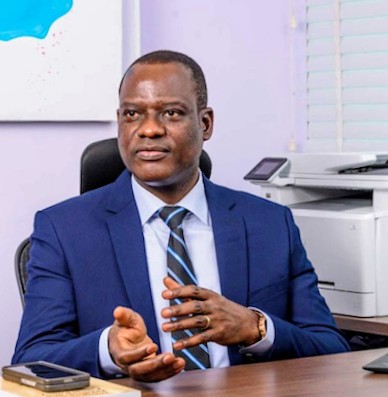
Taiwo Oyedele, the Minister of Finance and Coordinating Minister of the Economy, has detailed how the Federal Government spent the funds realised from the petrol subsidy removal
The Minister disclosed that the Federal Government spent N9.39 trillion on wage adjustments, minimum wage increases, and public servant allowances between June 2023 and December 2025.
Oyedele spoke today, at a press conference in Abuja on the financial impact of the economic reforms introduced by President Bola Tinubu’s administration.
In June 2024, Tinubu approved an increase in the national minimum wage from N30,000 to N70,000 after assenting to the National Minimum Wage Act, which provides for a review of the minimum wage every three years.
Against this backdrop, Oyedele said the Federal Government spent N9.39 trillion on wage adjustments, minimum wage increases and allowances between June 2023 and December 2025.
He said the amount spent on wages during the period exceeded the Federal Government’s entire share of resources generated from the removal of the petrol subsidy.
“The incremental amount that the federal government spends paying higher wages is more than the entire savings that the federal government earned from subsidy removal,” Oyedele said.
According to the minister, the Federal Government received N5.4 trillion out of the N15.8 trillion in resources mobilised for the federation through the petrol subsidy removal and foreign exchange reforms between June 2023 and December 2025.
The remaining N10.4 trillion was shared among state and local governments.
Oyedele said the resources generated through the reforms, alongside additional revenue and borrowing, provided the Federal Government with incremental resources of N20.4 trillion during the period.
However, he said the Federal Government’s incremental expenditure stood at N30.64 trillion.
The minister further said N9.39 trillion was spent on wages and allowances, N9.37 trillion on external debt servicing, while N6.5 trillion went to strategic infrastructure.
Oyedele said the increase in wage expenditure reflected adjustments made by the government following the removal of the petrol subsidy.
The government removed the petrol subsidy in June 2023, triggering a sharp increase in petrol prices and putting pressure on household and business costs.
Oyedele said the reforms had come with significant costs for Nigerians, but the government had also taken steps to mitigate their impact.
“The decisions came at a real cost, and we are not here to pretend otherwise,” the minister said.


Cabotage Enforcement is My Priority: DG NIMASA

Customs Renovates Ife Girls’ School, Pledges University Scholarships

Tinubu Applauds Coca-Cola’s Planned $1b Investment

2027: Northern Muslim Women Declare Support for President Tinubu

Dakuku Peterside: Weak Institutions Stall Nigeria’s Wealth, Prosperity

Inside Nigeria’s Sea Power: The Rise of NPA as a Maritime Powerhouse

Adebayo Williams At 75: A Missing Honour — By Femi Macaulay

High Hopes as Dangote Launches ₦2.15 Trillion IPO

2027: LP chieftain sues WAEC, UNN, NYSC over Obi’s credentials

Tension in Osun as Masked Gunmen Kill Adeleke’s Ally ‘Emir’ at Peace Meeting

Tribute to a Colossus: The Eternal Legacy of Alhaji Bamanga Tukur (1935–2026)

US Praises Nigeria for Ending 12-Year Maritime Restrictions; Oyetola Credits President Tinubu

Environmental sanitation resumes in Lagos tomorrow

Tribute to a Legal Icon and Master Administrator: Alhaji Yahaya Bukar-Gana

Panel recommends 60-month timeline on State Police inauguration

Customs smashes smuggling ring at Tin-Can port, seizes illicit drugs worth ₦18.9b

Customs nets ₦178b at PTML, Miko resumes office

NIMASA Calls on The Media to Help Drive Blue Economy Growth

NIMASA Partners Malta to Fast-Track Full Automation of Nigerian Ship Registry

History as Customs CG Adeniyi bags First NIJ alumnus fellowship

“A Blueprint for Prosperity: How Amb. (Engr.) Omar Suleiman Will Transform Adamawa State”

Apapa Customs Intercepts ₦12.7b ‘Canadian Loud’, Expired Drugs in Lagos

Misclassified Levies: Senate Clears Customs of ₦62.2bn Under-Remittance Claim
