
Customs
Customs Overhauls Gas-for-Growth Rules to Fast-Track Industrial Projects

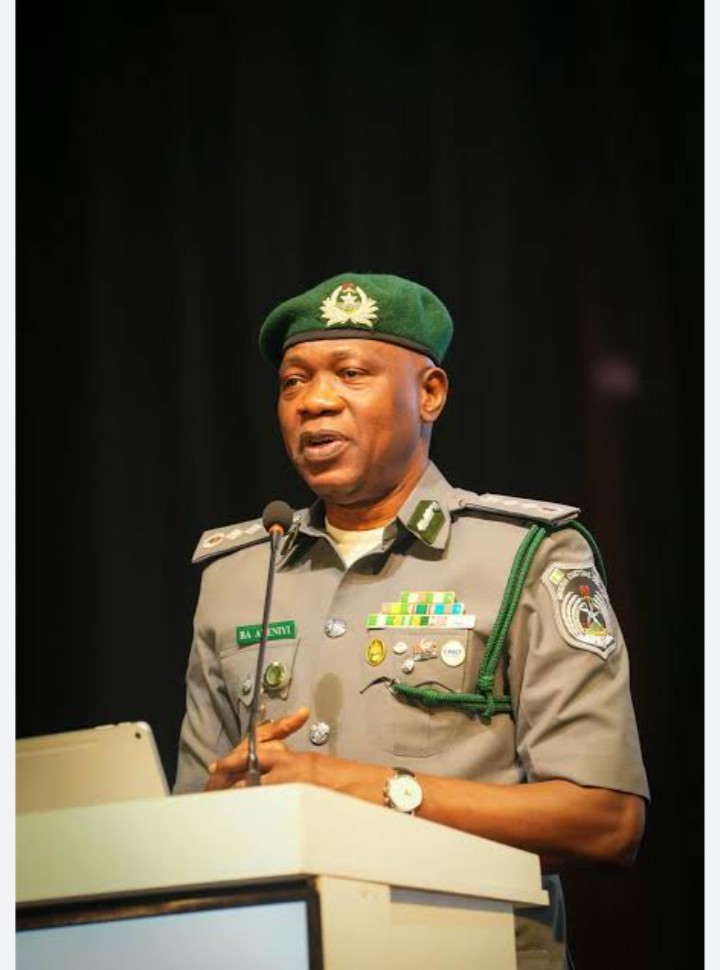
By Saheed Olatunji, Reporter
The Nigeria Customs Service (NCS) has begun implementing new Ministry of Finance fiscal incentives under the Presidential Gas for Growth Initiative to accelerate clean energy adoption and sustainable transport
This initiative is part of the Federal Government’s push to drive gas-based energy investments and expand cleaner transportation fuels.
Under the approved fiscal incentives, imports of specified eco-friendly and gas-powered vehicles, equipment, and components are exempt from import duty and VAT..
In a statement by its Public Relations Officer, Dr. Abdullahi Maiwada, the agency approved the following categories:
* Compressed Natural Gas (CNG) vehicles (100% CNG).
* Liquefied Petroleum Gas (LPG) vehicles (100% LPG).
* Pure Electric Vehicles (100% Electric).
* Extended Range Electric Vehicles (EREVs) with a minimum range of 200 kilometers.
* CNG and LPG conversion kits for petrol and diesel engines.
* Tricycles and motorbikes certified for resale by the Federal Ministry of Finance.
* Semi-trailers with skid-mounted CNG, LPG, and LNG storage tanks for gas distribution.
In addition, importers seeking to benefit from these incentives are required to obtain an Import Duty Exemption Certificate (IDEC) issued by the Federal Ministry of Finance and comply with all applicable regulatory requirements governing the importation of eligible items.
Part of the statement reads:”Furthermore, the approved fiscal framework provides that some specific categories of vehicles and related items shall remain subject to the payment of Import Duty and VAT. These include Hybrid Electric Vehicles (such as Electric/Petrol and Electric/Diesel variants), dual-fuel Internal Combustion Engine (ICE) vehicles configured for CNG/Petrol or CNG/Diesel operations, luxury vehicles valued at USD 100,000 and above, CNG vehicles converted overseas without factory-fitted CNG capability, semi-trailers and flatbeds that are not self-driven or operated under their own mechanical drive, and spare parts of all kinds.
“The implementation of these fiscal incentives is intended to support the Federal Government’s broader objectives of reducing transportation and energy costs, encouraging investment in clean energy infrastructure, expanding the adoption of alternative fuel technologies, and strengthening Nigeria’s energy security and environmental sustainability agenda.
“The Service, under the leadership of the Comptroller-General of Customs, Adewale Adeniyi, remains committed to the effective and transparent implementation of these incentives and urges all stakeholders, importers, licensed customs agents, and other operators within the trade ecosystem to ensure strict compliance with the applicable guidelines and regulatory requirements.”


Cabotage Enforcement is My Priority: DG NIMASA

Customs Renovates Ife Girls’ School, Pledges University Scholarships

Tinubu Applauds Coca-Cola’s Planned $1b Investment

2027: Northern Muslim Women Declare Support for President Tinubu

Dakuku Peterside: Weak Institutions Stall Nigeria’s Wealth, Prosperity

Inside Nigeria’s Sea Power: The Rise of NPA as a Maritime Powerhouse

Adebayo Williams At 75: A Missing Honour — By Femi Macaulay

High Hopes as Dangote Launches ₦2.15 Trillion IPO

2027: LP chieftain sues WAEC, UNN, NYSC over Obi’s credentials

Tension in Osun as Masked Gunmen Kill Adeleke’s Ally ‘Emir’ at Peace Meeting

Tribute to a Colossus: The Eternal Legacy of Alhaji Bamanga Tukur (1935–2026)

US Praises Nigeria for Ending 12-Year Maritime Restrictions; Oyetola Credits President Tinubu

Environmental sanitation resumes in Lagos tomorrow

Tribute to a Legal Icon and Master Administrator: Alhaji Yahaya Bukar-Gana

Panel recommends 60-month timeline on State Police inauguration

Customs smashes smuggling ring at Tin-Can port, seizes illicit drugs worth ₦18.9b

Customs nets ₦178b at PTML, Miko resumes office

NIMASA Calls on The Media to Help Drive Blue Economy Growth

NIMASA Partners Malta to Fast-Track Full Automation of Nigerian Ship Registry

History as Customs CG Adeniyi bags First NIJ alumnus fellowship

“A Blueprint for Prosperity: How Amb. (Engr.) Omar Suleiman Will Transform Adamawa State”

Apapa Customs Intercepts ₦12.7b ‘Canadian Loud’, Expired Drugs in Lagos

Misclassified Levies: Senate Clears Customs of ₦62.2bn Under-Remittance Claim
